Fertility is one of the most searched, most Googled, most desperately researched topics among women living with PCOS. And yet, for all the information available, so many of them arrive at their fertility journey feeling underprepared, overwhelmed, and quietly convinced that their diagnosis has already decided something for them; it has not.
What it has done is made the need for the right kind of support more urgent, not just clinical support, though that absolutely has its place, but the kind that looks at the whole woman. Her hormones, her gut, her nervous system, her sleep, the chronic low-grade inflammation that PCOS so often leaves simmering beneath the surface. The kind of support that takes everything happening inside the body and finally makes sense of it together.
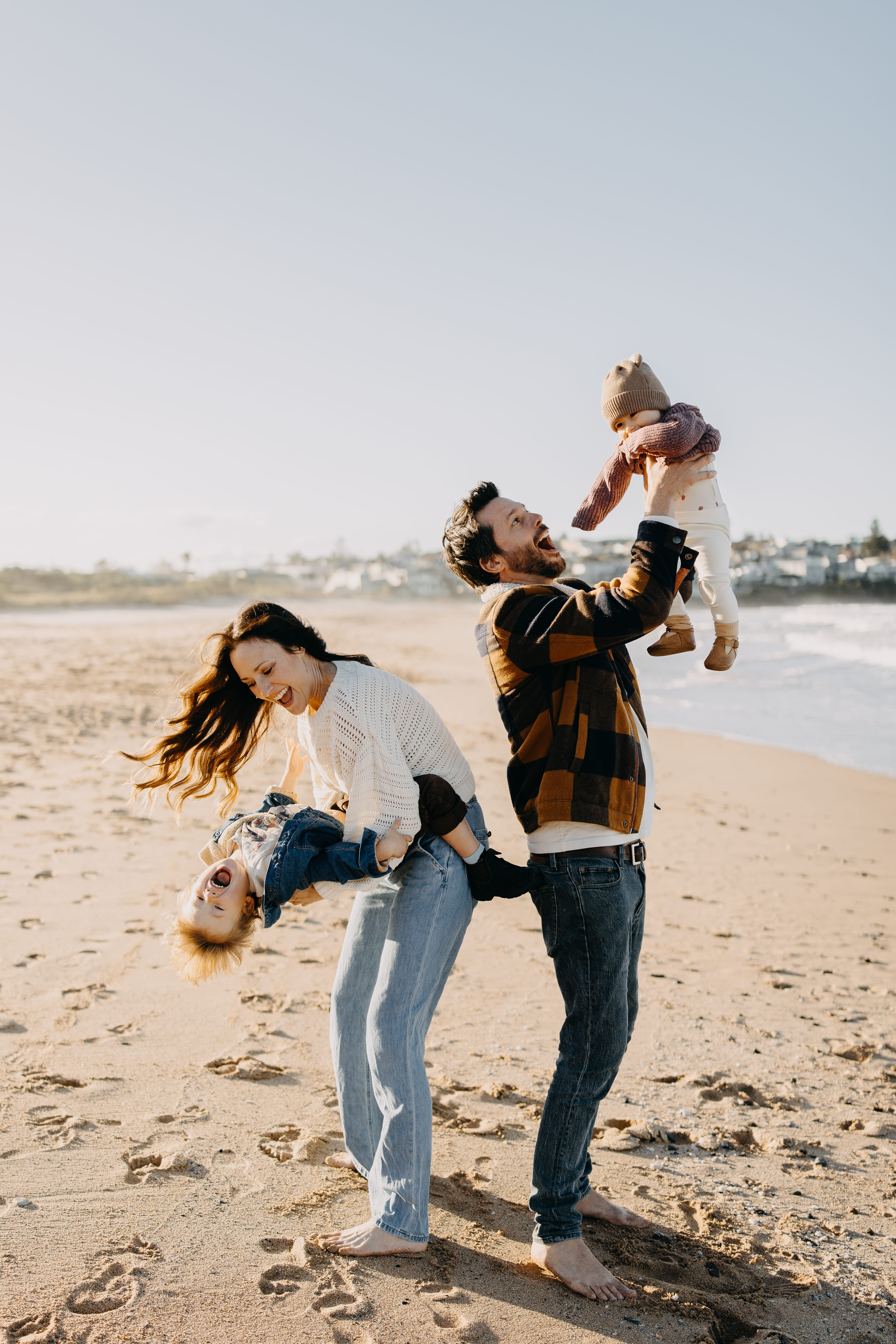
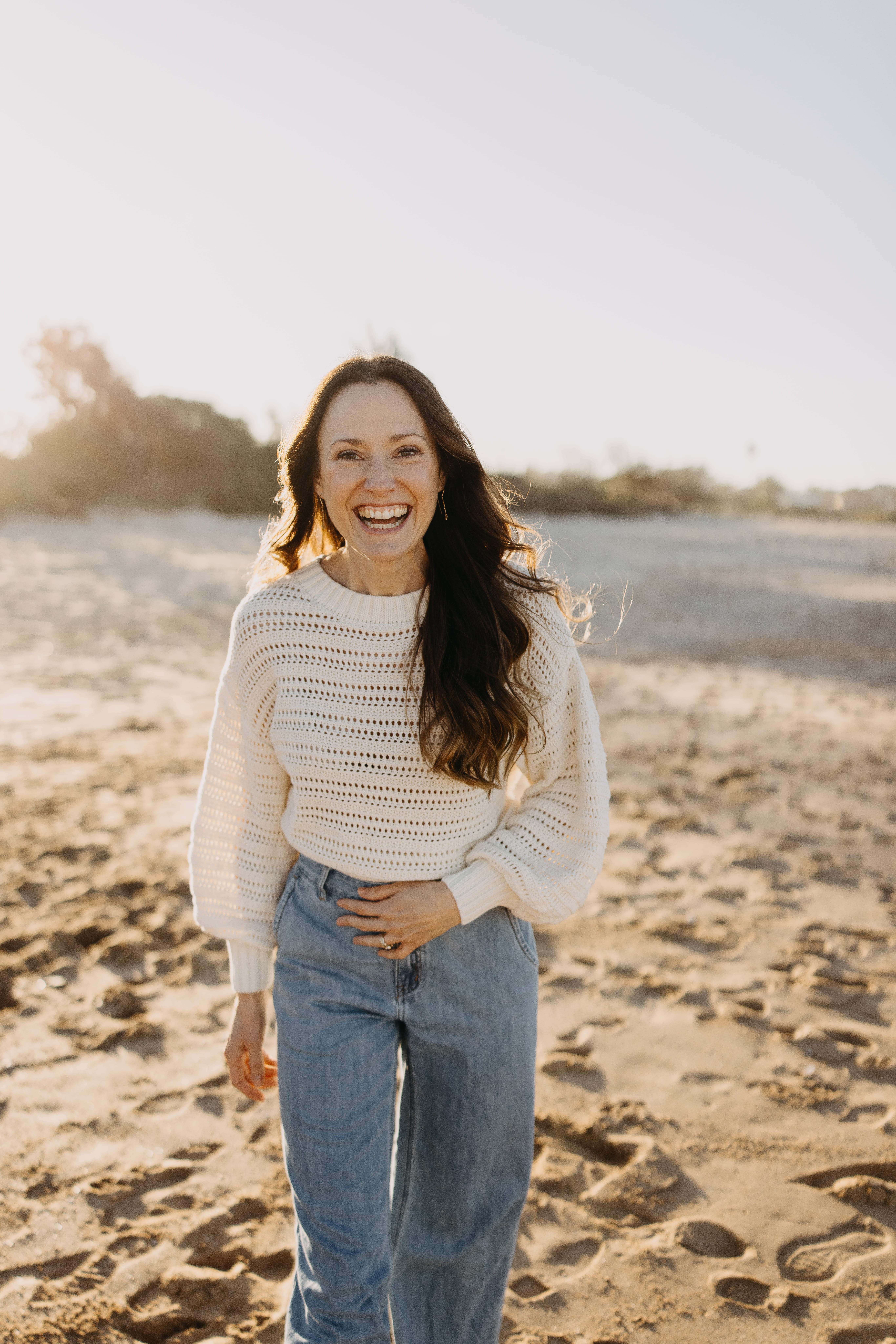
That is exactly the work that Abi Wilde has dedicated herself to. As an Integrative IVF Prep & Fertility Coach and the host of The Wilde Way podcast, Abi came to this space through her own experience, a stage 4 endometriosis diagnosis, an IVF journey that led to her son Jack at 39, and a natural pregnancy with her daughter Sadie at 41. What she found along the way in her journey was not just a path through her own fertility, but a blueprint for how women deserve to be supported through theirs.
We sat down with her to talk about egg quality, nervous system regulation, what PCOS women are rarely told about the 90-day window before IVF, and why so much of what feels out of reach is within reach.
My journey into this work wasn't something I planned. It was something I was really pulled into through my own experience. I was diagnosed with stage 4 endometriosis and went through a laparoscopy, which was a pretty pivotal moment for me. From there, I went down the IVF path and had my son Jack at 39, and I only needed one IVF cycle to conceive him. Then later, I fell pregnant naturally with my daughter Sadie at 41, which is something I don't think I would have believed was possible earlier in my journey. Going through both IVF and natural conception gave me a very real understanding of how complex and layered fertility actually is. What really shifted things for me was when I stopped seeing it as just a medical process and started preparing my body more intentionally in the months leading up to my cycle. I focused on the foundations. Supporting my nervous system, reducing inflammation, improving my sleep, stabilising my blood sugar, and really looking at my body as a whole rather than in separate parts.
That preconception work, especially in the 90 days leading into IVF and then again before falling pregnant with my daughter, completely changed not just how I approached fertility, but how I understood it. Before that, everything felt really fragmented. You would get medical advice in one place, nutrition advice somewhere else, mindset advice somewhere else, and no one was really bringing it all together in a way that felt cohesive or personal. That is what led me to start looking at fertility through a whole-body lens. Over time, that became the foundation of my work. I realised that what women are missing is not more information. It is support in how to actually apply it in a way that feels doable, grounded, and not overwhelming. Now, I help women prepare for IVF so they are not just going through the motions, but walking into their cycle feeling calm, confident, and more in control of the process.
So, if we are not supporting the nervous system, we are often missing a key piece. What I focus on is making this practical. Not asking women to completely change their lives but giving them simple tools they can actually use. Things like EFT, breathing, and small moments of regulation throughout the day. Because it is not about doing it perfectly. It is about doing it consistently.
One of the biggest shifts is moving away from trying to layer healthy habits on top of a system that is already overwhelmed and instead focusing on what is driving the inflammation in the first place. A lot of women are doing all the right things. They are eating well, taking supplements, trying to manage stress. But if the body is already in a highly inflamed state, it can feel like nothing is really moving. One of the most common drivers I see is gut imbalance. When the gut is out of balance, whether through dysbiosis or poor digestion, it has a direct impact on the immune system, inflammation, and hormone regulation. Alongside that, we must look at the cumulative impact of environmental stressors. Things like pesticides on food, microplastics, chemicals in everyday products, and broader environmental toxins all add to the body's overall burden over time.
So, part of the work is helping women reduce that load in a way that feels realistic and manageable. The other key piece is the nervous system. Because even if we are supporting the body physically, if someone is living in a constant state of stress or pressure, that will continue to drive inflammation and hormone disruption. And from a mindset perspective, it is about moving away from trying to do everything perfectly, and instead focusing on consistency and what matters most.
If the body is already under a lot of internal pressure, small changes on the surface do not always create the shift we are expecting. What we need to do first is understand what is driving that inflammation and start reducing that load at its source.
What stays with us long after this conversation is not any single piece of advice, but the quieter invitation underneath all of it. The invitation for women to stop bracing against their bodies and start working with them.
Fertility, as Abi frames it, is not a problem to be solved through sheer effort or willpower. It is a process that asks for something different, for softness where there has been strain, for integration where there has been fragmentation, for support where there has so often been silence.
For the woman who has been doing everything right and still feels like something is missing, perhaps what has been missing is not more to do. Perhaps it is simply a more complete picture of what her body is asking for.
To follow Abi's work and explore her approach to integrative fertility support, visit her through The Wilde Way podcast and her coaching practice.
For personalised guidance book a complimentary call with Abi here
Connect with her on socials here
Stay in the loop
Get new editorials, articles and event news from Clherity straight to your inbox.
Sign up →