For nearly a century, the medical establishment viewed, diagnosed, and dismissed polycystic ovary syndrome through the narrow architecture of the female reproductive system, leaving millions of women to navigate a systemic reality that breached the boundaries of the ovaries to dictate their metabolic health, alter their skin, and destabilize their mental well-being. This cavernous division between a clinical label and lived reality was never a simple matter of scientific semantics; it directly restricted how generations of physicians were trained to see, systematically marginalized the most devastating symptoms of a multi-systemic disorder, and dictated the boundaries of what women were permitted to understand about their own bodies. Dismantling this deeply entrenched paradigm demanded something far greater than an updated vocabulary, requiring the global medical complex to finally interrogate a classification system fiercely defended across research institutions and clinical practices spanning multiple continents.
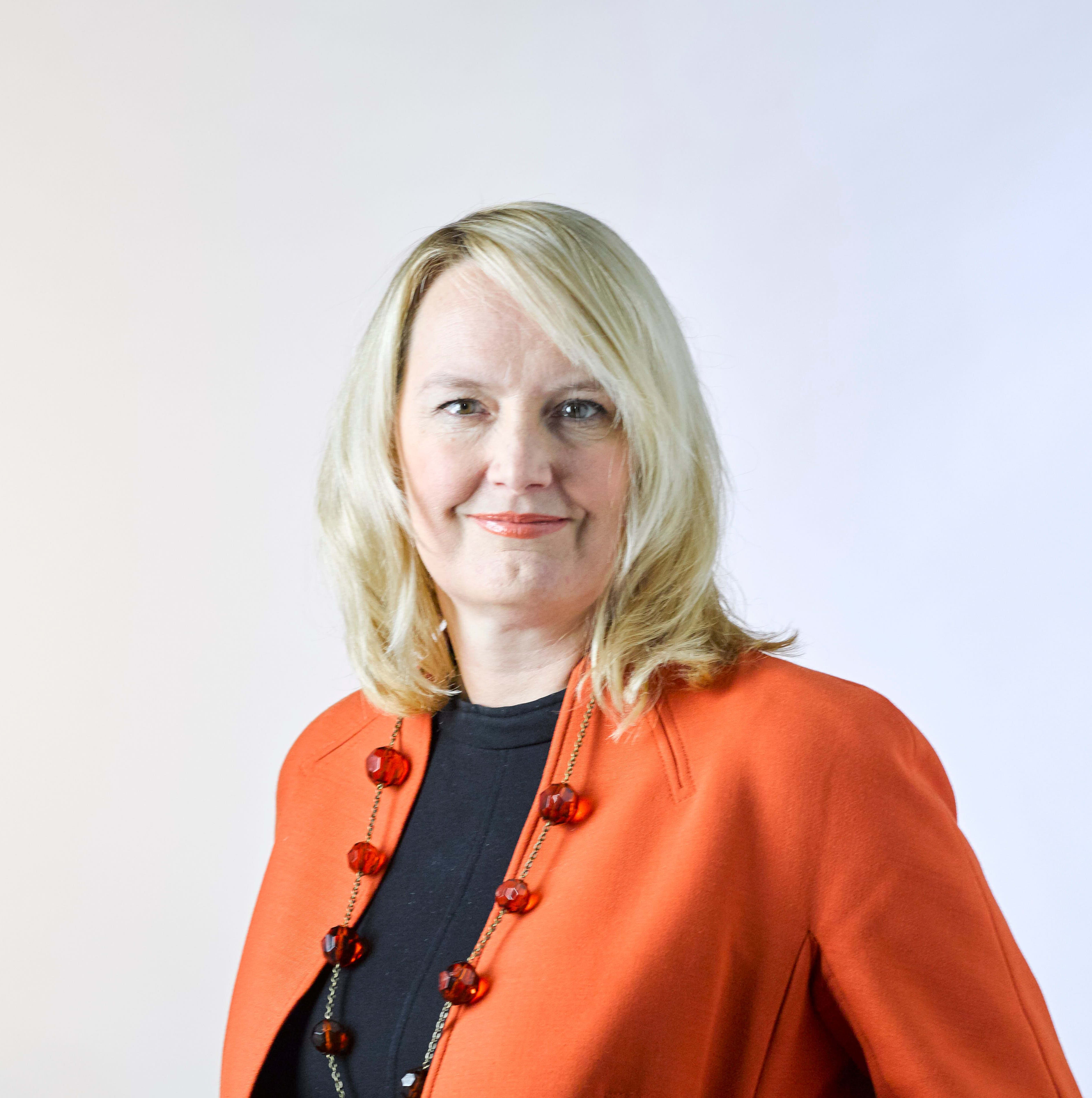
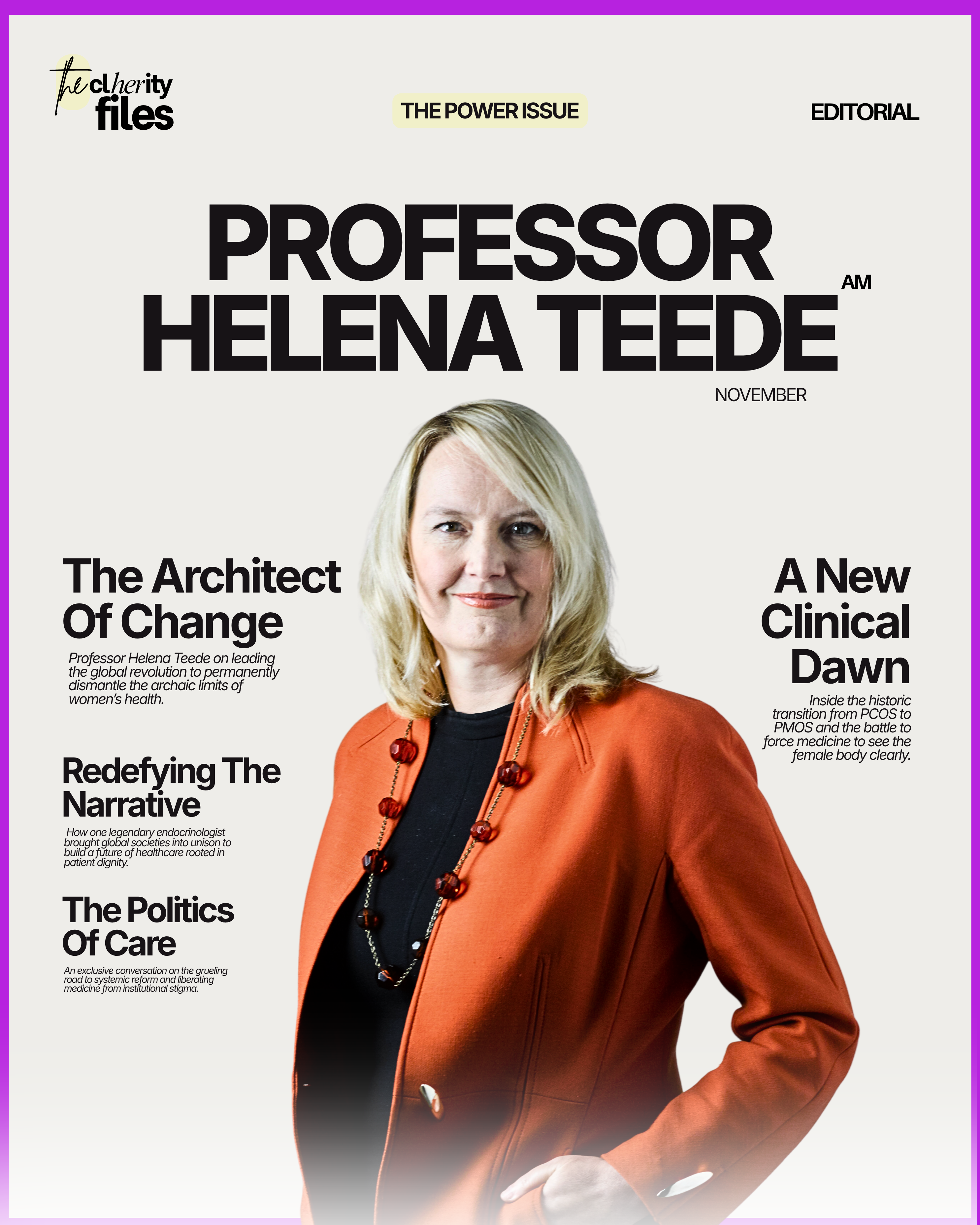
Professor Helena Teede AM is the definitive architect who transformed this decades-long frustration into a successful global revolution. An eminent endocrinologist, President of the International Society of Endocrinology, and a member of the Order of Australia for her services to medicine, she has anchored her formidable career to the exact intersection where medical theory meets structural reality. As the founding director of the Monash Centre for Health Research and Implementation, she guided the development of the globally acclaimed AskPCOS app and spearheaded the historic decision to rename the condition to polyendocrine metabolic ovarian syndrome (PMOS). Officially published in The Lancet, this monumental victory was achieved through an unprecedented coalition of international societies and patient advocates across six continents. As we stand at the beginning of a three-year transition plan to integrate this new standard into global health records, we spoke with Professor Teede about the grueling road to PMOS, the structural resistance that threatened to stall this change, and what it truly takes to force rigid medical systems to see women clearly.
For a long time, it looked like a question of accuracy. The word "polycystic" was simply wrong. Women with this condition do not have increased pathological ovarian cysts, and it is not primarily an ovarian condition. The old name also left out the far broader features of the condition. But importantly, as researchers who work on large-scale systems change in women’s health, and who listen to and work closely with those affected by PMOS, the name was a major hindrance to research, education, care, experience, and better outcomes. What changed over time was our understanding of how much harm the old name and the narrow ovary classification of this disease was causing.
The name itself was inaccurate, narrow, and stigmatizing. It reduced a lifelong complex condition affecting the whole body to a problem with the ovaries. Women were left believing something was wrong with their reproductive organs, and they worried about cysts, fertility, and their future. In many communities, anything linked to the ovaries and fertility carries real stigma and can affect how a woman is seen and valued. The name also hid the metabolic, psychological, and dermatological features that women live with every day. And it hid these features from research, education, and care systems.
Women told us, consistently and across countries, that they were dissatisfied with their care. They experienced long delays to diagnosis, of seeing doctor after doctor, of receiving little or no information, and of having their concerns dismissed. The name and ovarian classification contributed to this. It sent women to gynecology when many of their concerns were metabolic or psychological or multi-system, and it narrowed what researchers were funded to study, how the condition was positioned in education as a gynecology disorder, and how it was positioned in care with a sole focus on infertility.
That was when it became clear that the name and classification were a significant part of the problem. The global multistage renaming and reclassification process became a way of correcting how the condition is understood, researched, educated, and cared for. It means moving forward, we aim to have women’s concerns taken seriously, without stigma, so that the metabolic, psychological, skin, and reproductive features can be better understood, prevented, and treated.
In 2014, we asked women with the condition, and the primary care physicians who partnered in their care, how they saw the condition and whether it should be renamed. The message was already there: the name did not reflect what women were living with, and it was narrowing and adversely affecting both care and experience.
What it taught us is that recognizing a problem is the easy part. Over the following decade, there were many thoughtful proposals for a new name. None gained traction because they came from small expert groups without broad engagement, particularly with affected women, and lacked a formal process. Global, complex changes like this—especially changing an entrenched name for an inordinately complex condition that affects hundreds of millions globally—do not happen simply because an argument is compelling or because experts issue a decree. It changes when the professionals, the organizations, and, in our case, those affected come together in a robust, transparent process they trust, and when there is a resourced implementation plan to put that change into practice.
So, we went back to women and health professionals at scale. By 2023, 56 societies and patient groups were assembled, and around 8,000 people were surveyed. Ultimately, 86% of women and 76% of health professionals agreed the name should change through a robust process. That leadership, engagement, and collective mandate are what made this change possible.
The biggest roadblocks were understandable ones. With so many disciplines involved, it was not clear who had the right to lead this. There is a plethora of papers written by experts over the decades that failed to get traction because none of them included patients the way our work does. Some experts and heavily invested patient advocate leads who had dedicated themselves to the condition under the old name resisted the change. Some people worried that a new name would cause confusion or that the science was still evolving. Others were concerned about inadequate implementation regarding the cost and complexity of changing research and education systems, records and coding systems, and models of care. There were also real differences between disciplines, regions, and cultures about which words were accurate and acceptable.
What made the difference here was distributive leadership, global engagement, patient empowerment, the assembled scientific evidence from the International Guidelines, and a robust, resourced, and transparent process. We secured funding and set up international governance with patient organizations serving as co-leads rather than mere advisers. We agreed on guiding principles first, which were patient partnership, scientific accuracy, ease of communication, avoiding stigma, cultural appropriateness, and strong implementation. We agreed globally on the preferred approach, choosing between a new accurate name, a nonspecific name like asthma, or a change to the existing words for PCOS. The message here was clear that a new accurate name was needed. Only then did we discuss specific terms or combinations in the new name. Two global surveys generated more than 14,000 responses, most of them from women with the condition. Workshops brought together around 90 representatives from all world regions, and 56 organizations took part. By the end, all but two workshop participants supported the new name.
That assumption misses almost everything that is key to implementing the change. Practice sits inside systems: research, guidelines, education, coding, funding, care models, knowledge, habit and culture. The problems and solutions sit mainly at a systems level to support individual clinicians and women affected by PMOS.
We saw this with the 2018 and 2023 International Guidelines. The evidence was strong, and the guidelines are now used in 195 countries. Things did improve with extensive global implementation efforts, but gaps remain. Between 2015 and 2023, recognition of pregnancy complications in this condition rose from 41% to 74% among women and from 45% to 93% among health professionals. It took a decade of education, resources, translation and partnership to get there, and gaps remain with still most women with PMOS not captured in routinely collected pregnancy care or data.
That's why the renaming came with an implementation plan from the outset. A new name only matters if it changes classifications, broadens research, evidence and guidelines, develops new treatments, reaches electronic health records, disease classification, broadens and enhances education and awareness beyond gynecology and medicine alone, and, most of all, changes practice at the coal face and care as it is experienced.
- Not being heard. Women's concerns about weight, mood, skin, and long-term health have often been dismissed or treated in isolation.
- Feeling defined by fertility. Many felt the condition was framed only around fertility, when they were living with much more.
- Poor information. Only around one in six were satisfied with the information they received at diagnosis.
- Delayed diagnosis. In our international studies, a third waited more than two years for a diagnosis, and nearly half saw three or more health professionals before obtaining a diagnosis.
Cultural appropriateness was one of our guiding principles from the start, not an afterthought. Leadership, engagement, and collaboration were global. Terms were tested with people from every world region. The surveys ran in English, Chinese, German, Persian and Malaysian, and language adaptations such as Mandarin, Japanese and Spanish have since been completed. Translation needs real care. In some communities, anything linked to reproduction or fertility can affect how a woman is valued, so the words adopted in each language matter.
We were also honest about the limitations. Participation was lower from low- and middle-income countries, and from Asia, Africa, and South America. That's where the implementation part of the work is increasingly focused.
Practically, we have a three-year managed transition to the new name. During this we're working with patient and professional societies worldwide to achieve reach and awareness, co-design / disseminate multilingual resources, changing coding and research systems including the International Classification of Diseases. We're also working on clinical terminology systems and electronic health records, and with journals, research funders and education bodies to change beyond the name to expanded curricula and expanded health professional education beyond gynecology. The International Guidelines are already updated. Evaluation is built in, so we can see where the change is landing and where more effort is needed.
Communities like Clherity are central to this. A global name change only becomes real when women hear it, use it and see themselves in it.
- Research. Investment that matches how common and serious this condition is, including new treatments.
- Diagnosis. Women and girls diagnosed earlier and given clear accurate information.
- Screening. Metabolic risk, including diabetes and cardiovascular risk, routinely checked and prevented rather than discovered late.
- Pregnancy care. Women with PMOS recognized in pregnancy care and given the support their higher risks warrant for healthier mothers and babies.
- Multidisciplinary care. Endocrinology, primary care, mental health, dermatology, allied health, and maternity care all engaged, not just gynecology.
- Women's experience. Most of all, women telling us they feel understood, not dismissed.
Changing the name was never the goal in itself. It was the next step after International Guidelines in changing how this condition is understood, and that is what will change women's lives.
The transition from PCOS to PMOS is far more than an administrative correction or a shift in clinical vocabulary. It is a profound, hard-won reclamation of the narrative surrounding women’s bodies, proving that the language of medicine must finally expand to encompass the full complexity of women’s lived experiences. Whether the global healthcare systems tasked with their survival will truly choose to follow is the next great battle, but the blueprint for liberation has officially been drawn.
To explore the global implementation resources and tracking updates on the transition, visit the Monash Centre for Health Research and Implementation.
Stay in the loop
Get new editorials, articles and event news from Clherity straight to your inbox.
Sign up →